
Search Ohio White Pages
Ohio white pages give you a way to look up people across the state. You can search for names, phone numbers, and addresses through public record databases that pull from county and state sources. Ohio has 88 counties, and each one holds its own set of public records. State law makes most government records open to anyone who asks. This page covers the best ways to search Ohio white pages, what you can find, and where to go for the most up to date results. Start your search below or pick a county or city for local info.
Ohio White Pages Overview
What Ohio White Pages Include
Ohio white pages pull from several types of public records. The data comes from county clerks, auditors, recorders, courts, and state agencies. When you run a search, the results may show a person's name, current or past addresses, phone numbers, and links to court case files. Property records from county auditors can show who owns what. Court records from the Clerk of Courts list civil, criminal, and domestic cases tied to a name.
The Ohio Secretary of State holds business filings and registered agent data. If someone runs a business in Ohio, that info is public. The Ohio BMV keeps driver and vehicle records, but federal law limits who can see them. Most BMV data is not in white pages results. The Ohio Supreme Court has a case search tool that covers appeals and attorney records across the state. Each county also runs its own court docket system for local case lookups.
You can search for a wide range of data tied to a name. Some common things that show up in Ohio white pages are phone numbers, home addresses, property values, voter registration status, and court case summaries. What shows up depends on the county and the type of record.
Note: Ohio law says public records must be available for inspection at no cost. Copies may have a small per page fee, but just looking at records is free under ORC 149.43.
Ohio White Pages and Public Records Law
The Ohio Public Records Act is the backbone of white pages data in the state. It is one of the strongest open records laws in the country. Under this law, any person can ask for records from any public office. You do not need to give your name or say why you want them. The law applies to state agencies, counties, cities, townships, school districts, and more.
The Ohio Revised Code Section 149.43 spells out the rules. Public offices must make records ready for inspection "promptly" during regular hours. They can charge for copies but not for the time it takes to find them. The fee must be the "actual cost" of making the copy. Most offices charge $0.05 to $0.10 per page. Some send records by email at no cost.
Here is the Ohio Public Records Act (ORC 149.43) page on the official Ohio code site.
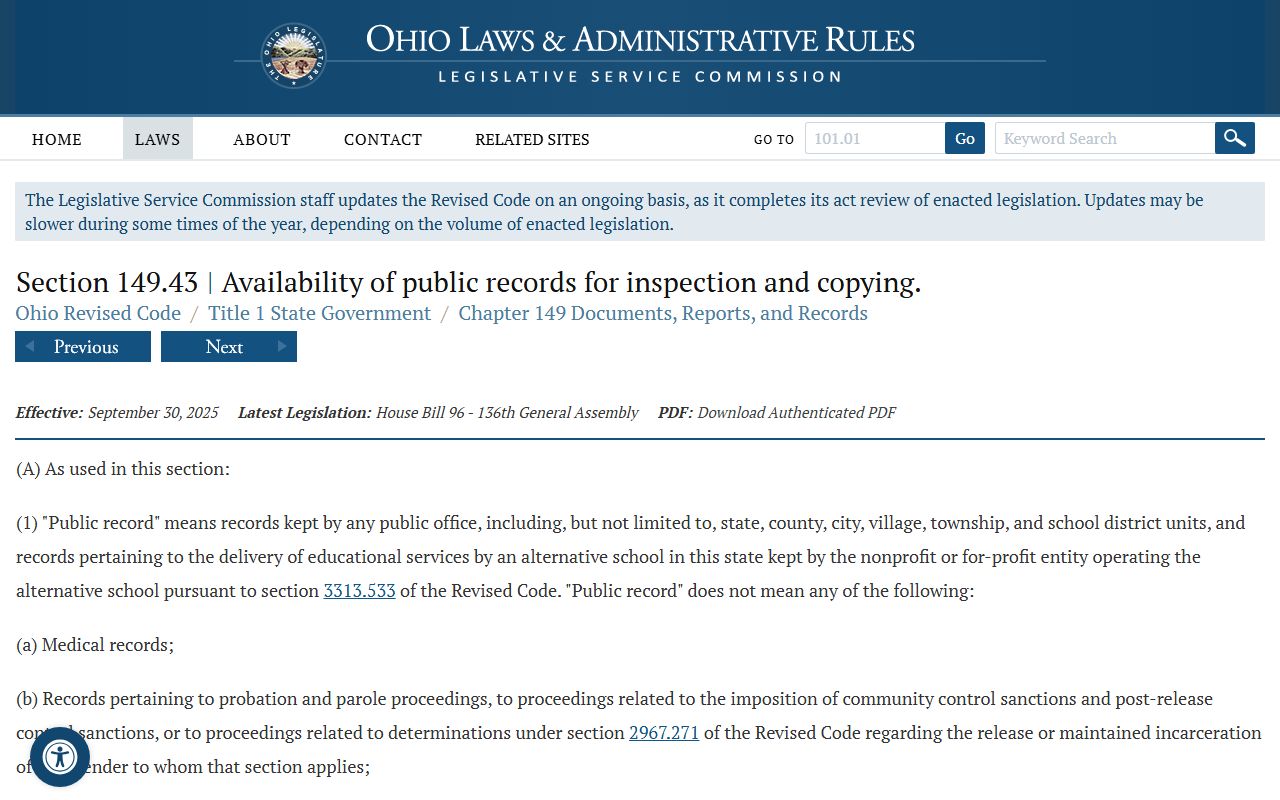
This page shows the full text of the law that gives you the right to access government records in Ohio. It covers what counts as a public record, how to ask for one, and what happens if an office says no.
If a public office turns down your request, you have options. You can file a complaint with the Ohio Court of Claims under ORC 2743.75. The filing fee is just $25. The office gets three business days to fix the problem before the case moves on. If they still refuse, the court can order them to hand over the records and award up to $1,000 in damages.
The Ohio Open Meetings Act (ORC 121.22) works alongside the public records law. It says government meetings must be open to the public. Meeting minutes are public records too. So if a county board or city council discussed something tied to the person you are looking up, those notes may be part of the white pages trail.
Here is the Open Meetings Act page on the Ohio code site.
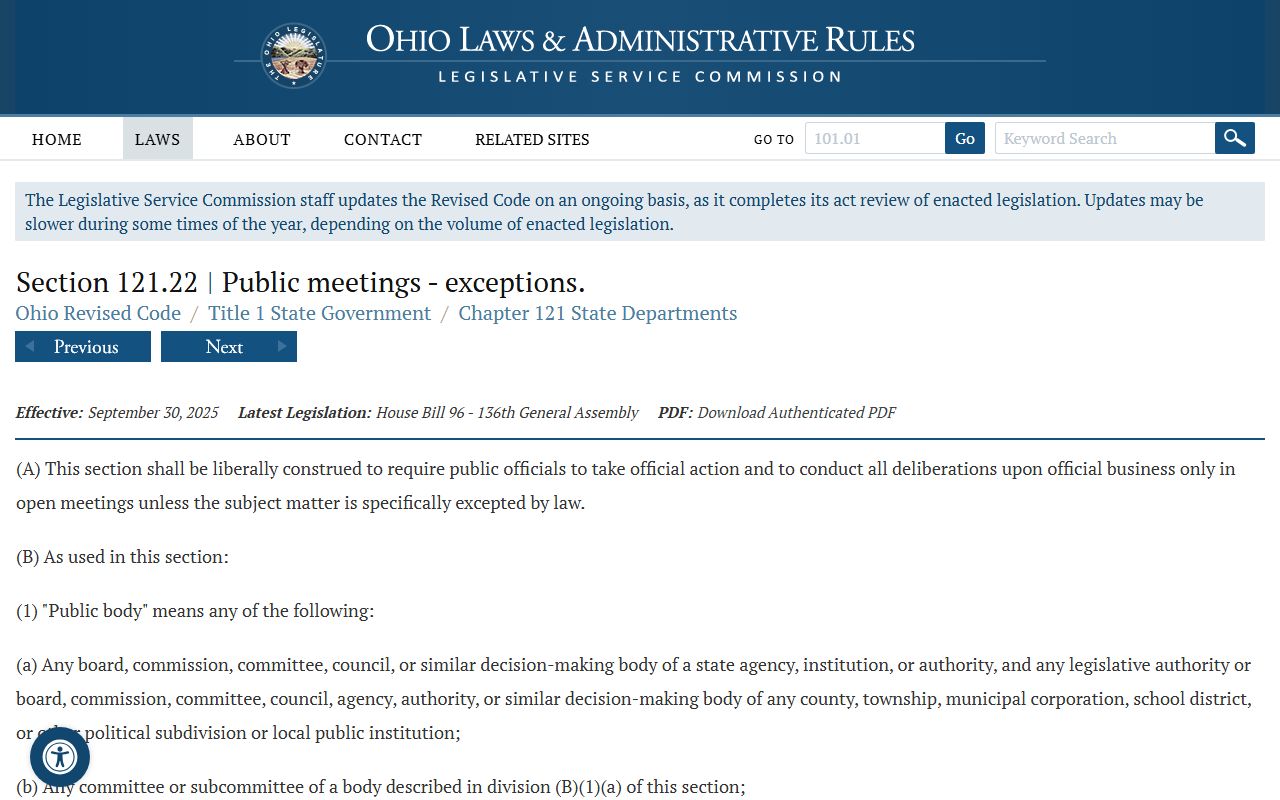
This law requires notice before public meetings and makes all meeting minutes available as public records.
How to Search Ohio White Pages
Start with the county where the person lives or lived. Ohio has 88 counties and each one keeps its own records. The Clerk of Courts handles court cases. The Auditor handles property data. The Recorder holds deeds, mortgages, and liens. All three are good places to search for people info.
Many county offices have free online search tools. For instance, the Franklin County Clerk of Courts at clerk.franklincountyohio.gov lets you look up cases by name. The Cuyahoga County docket at cpdocket.cp.cuyahogacounty.us covers Cleveland and the rest of the county. Hamilton County uses courtclerk.org for its court records. Each system works a bit different, but most let you search by last name and first name.
The Ohio Court of Claims site handles public records disputes but also has useful info about how to make requests. Here is what the site looks like.
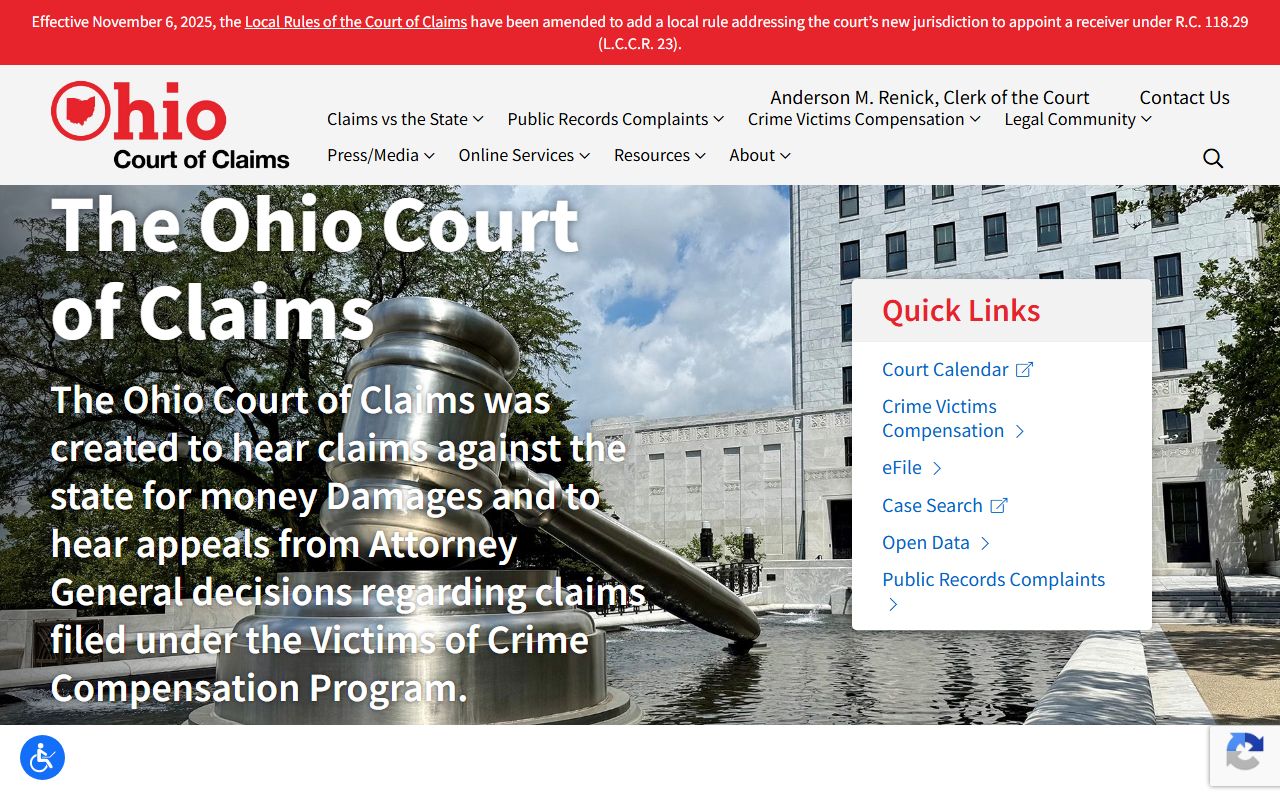
The Court of Claims is where you go if a government office blocks your records request. The process is simple and costs $25 to file.
At the state level, the Secretary of State has a business search tool. You can find who runs a company, where they are registered, and who their agent is. Voter registration data is also public in Ohio, though you usually need to go through the county Board of Elections to get it.
Ohio White Pages State Databases
Ohio runs several statewide databases that feed into white pages results. These are official systems managed by state agencies. They cover everything from court records to business filings to vehicle data.
The Ohio Secretary of State runs the business search portal at businesssearch.ohiosos.gov. You can search by company name, entity number, or agent name. Results show filings, status, and registered addresses.
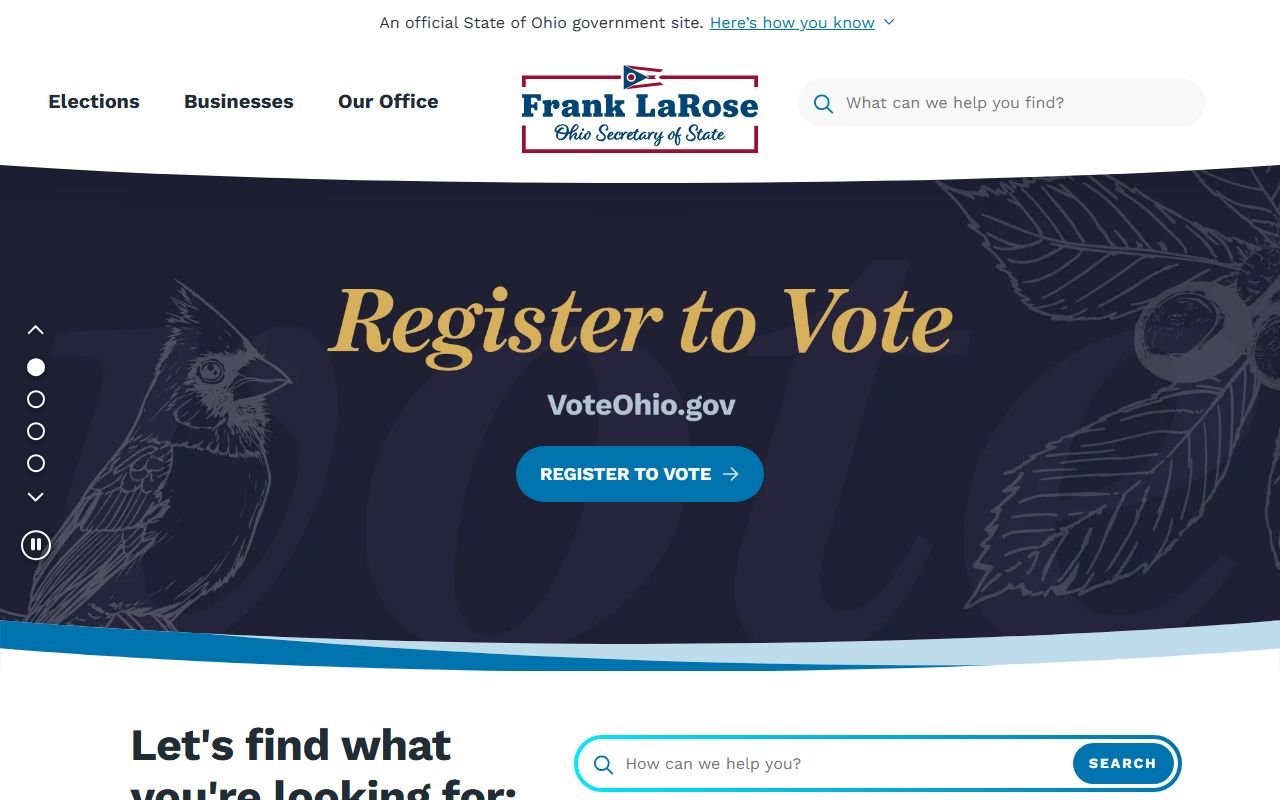
The Secretary of State site holds business entity records, UCC filings, and notary information. All of these are public.
The Ohio Supreme Court has a case search tool that covers the entire state court system. You can look up a case by number, party name, or attorney. It pulls data from all levels of Ohio courts. This tool is free to use.
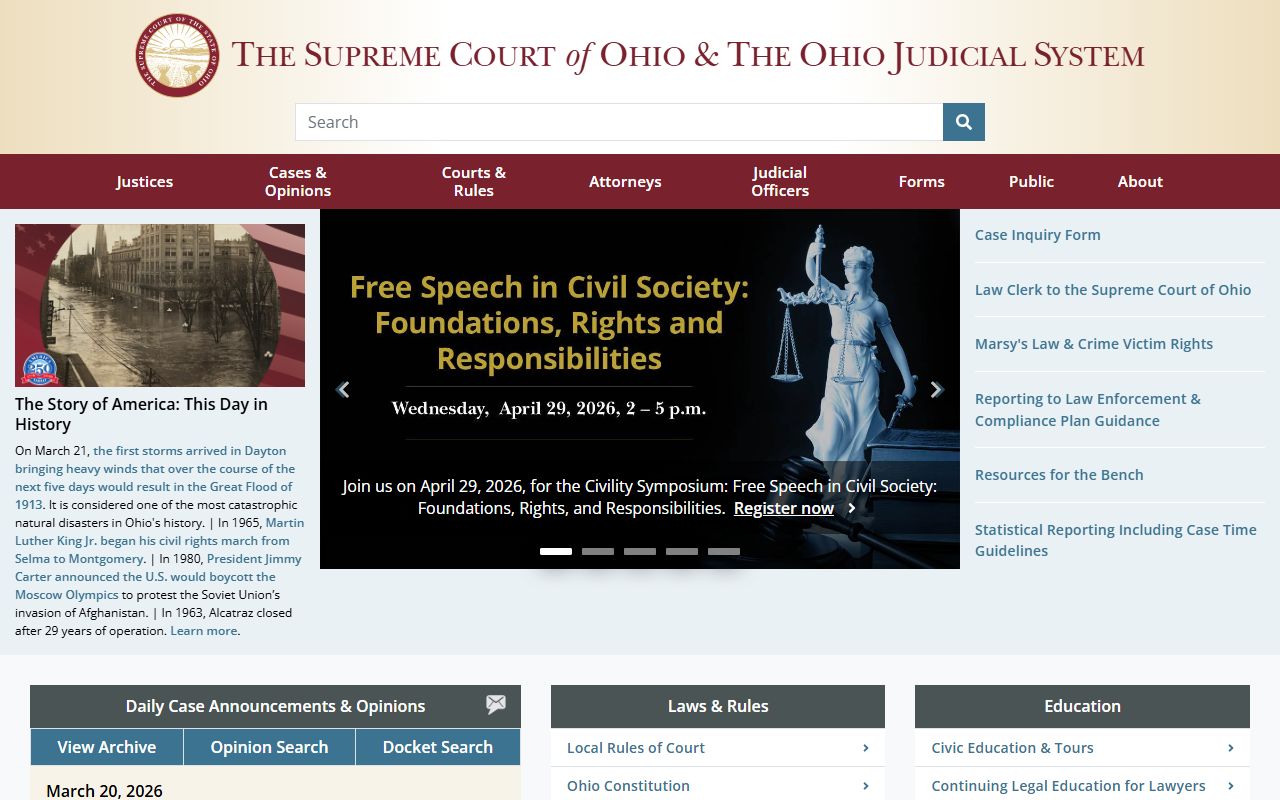
The Supreme Court site also has attorney registration data. If someone is a lawyer in Ohio, you can check their status and disciplinary record here.
The Ohio Department of Administrative Services keeps records on state contracts, procurement, and surplus property. While less common for people searches, it can show connections between individuals and state business.
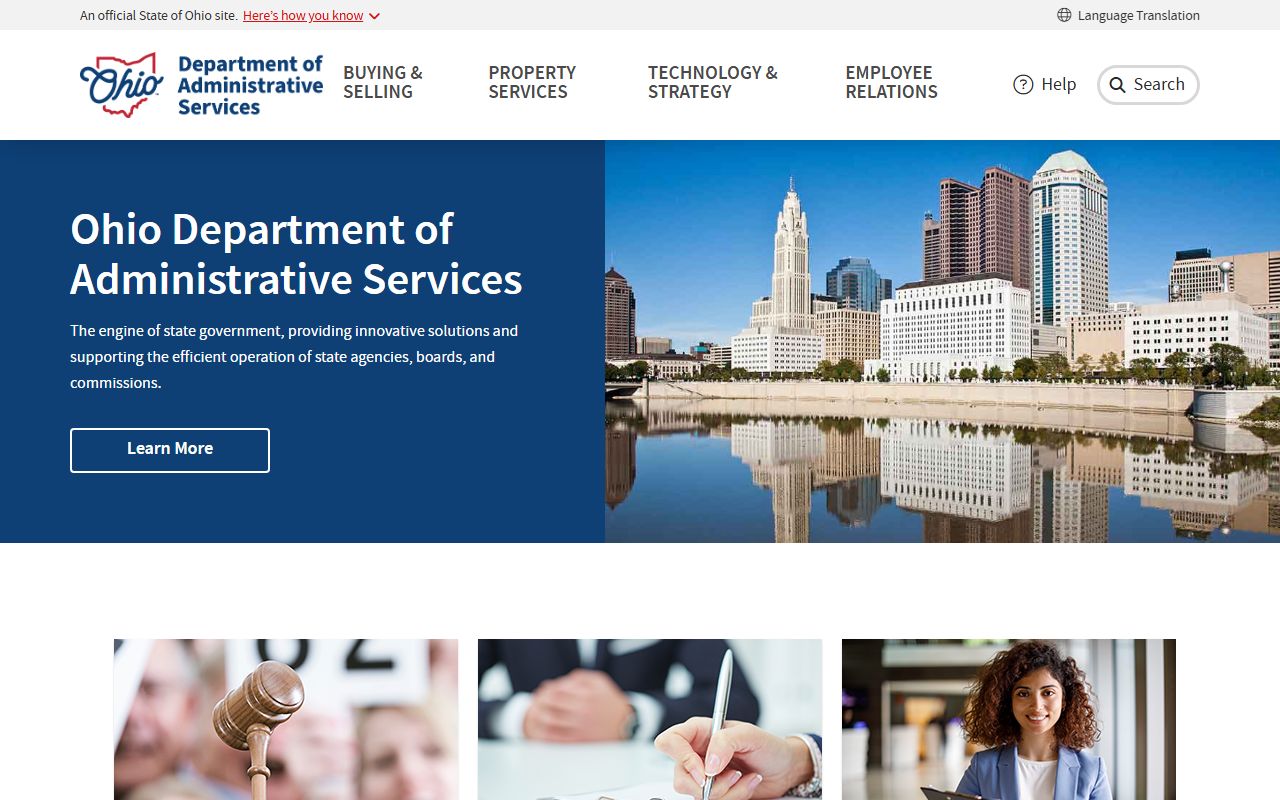
DAS records are useful when looking up state vendor or contractor data. They are public under the same ORC 149.43 rules.
Ohio White Pages Privacy Rules
Not all records are open. Ohio law has over 30 categories of exempt records. Medical files are off limits. Sealed court records stay sealed. Adoption records are not public. ORC Chapter 1347 puts rules on how agencies collect and share personal data. Social security numbers must be redacted from public copies. So must bank account numbers in most cases.
The Personal Information Systems law gives you the right to review your own records held by state agencies and ask for corrections.
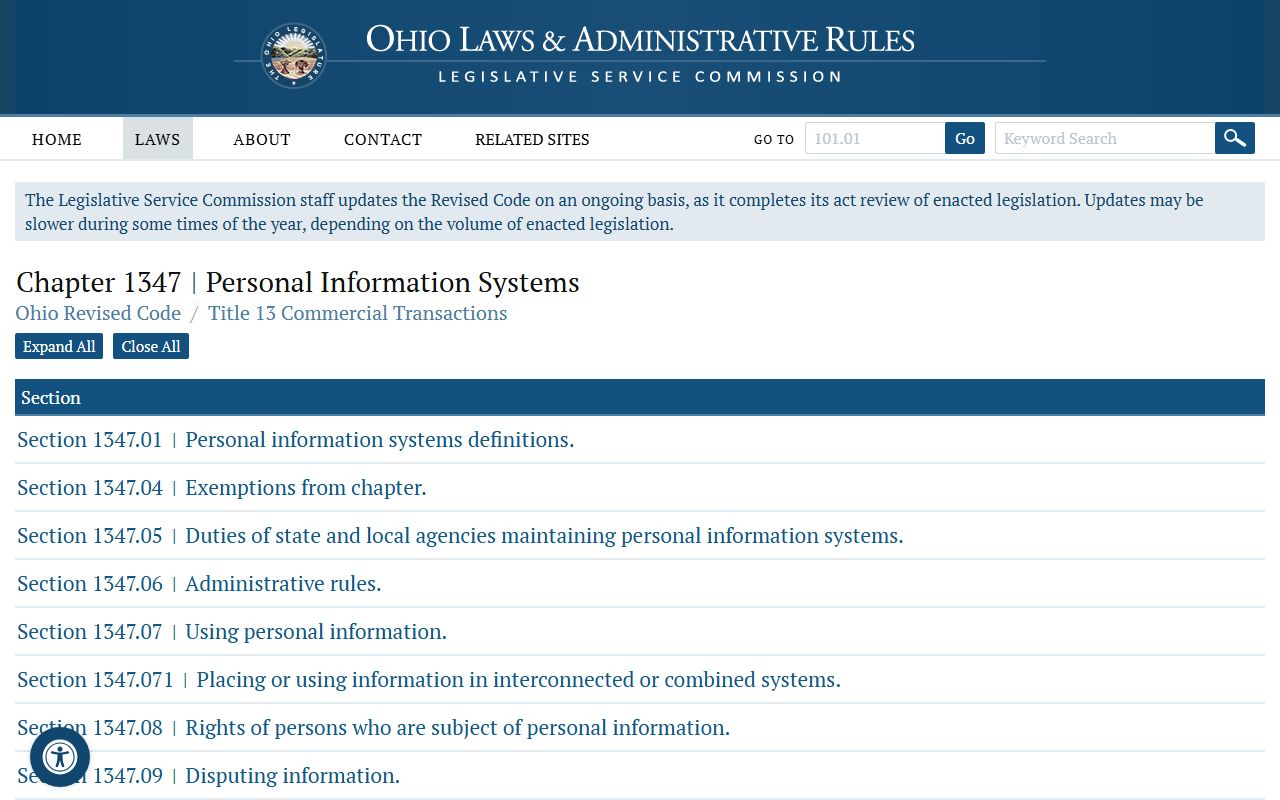
This statute sets limits on how government offices collect, store, and share personal data about Ohio residents.
The federal Driver's Privacy Protection Act limits BMV record access. You can not just pull someone's license info from the Ohio BMV. Only certain uses are allowed, like insurance verification or vehicle safety recalls. This means most white pages tools do not show driver's license numbers or photos.
The Ohio BMV site handles license and vehicle records. Access is limited by federal law, but you can look up your own driving record online.
Law enforcement investigatory records have limits too. Active case files are usually exempt until the case closes. Victim data in criminal cases may be protected. If you hit a wall, the Ohio Coalition for Open Government offers help through a legal hotline run by Baker and Hostetler. They can tell you if a denial was proper or if you should push back.

This nonprofit group advocates for open records in Ohio. They run training, publish guides, and connect people with legal help for denied requests.
Ohio White Pages by County
Each Ohio county has its own set of offices that hold people records. The Clerk of Courts keeps court files. The Auditor tracks property ownership. The Recorder stores deeds and liens. The Sheriff has arrest and incident data. All of these are public record sources that feed white pages results.
County fees are low. Most charge $0.05 to $0.10 per page for copies. Certified copies run $1.00 to $2.00 per page. Some offices give out electronic copies by email for free. Ohio law says offices can only charge the "actual cost" of making copies. They can not add fees for staff time to find the records. That rule comes straight from ORC 149.43.
The Ohio Attorney General publishes the Sunshine Laws Manual each year. This guide, sometimes called the "Yellow Book," explains public records and open meetings laws in plain terms. It is free to download from the Attorney General's site. If you want to know your rights when asking for records, start there. The AG's office also runs training programs under ORC 109.43 to help public offices stay in line with the law.
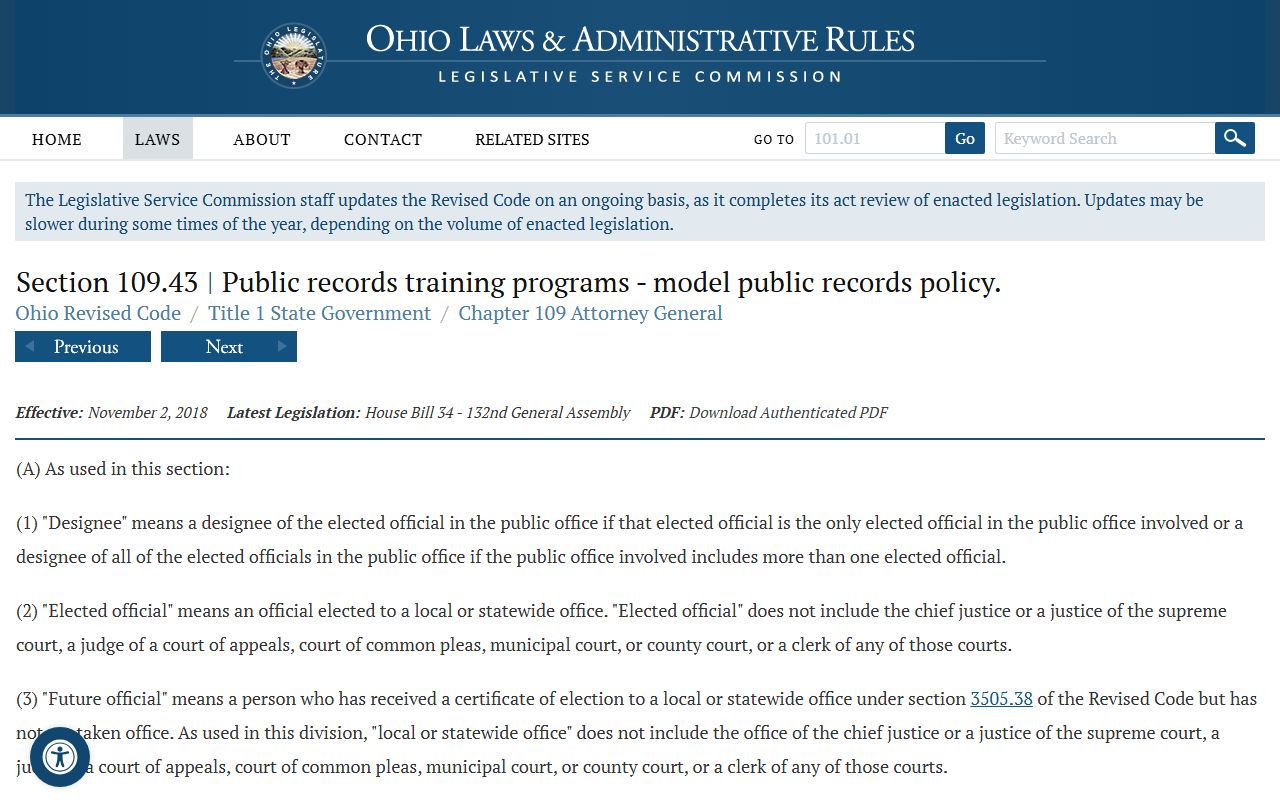
This statute requires the Attorney General to create model public records policies for all government offices in Ohio.
Ohio White Pages Fees and Process
Searching Ohio white pages online is usually free. Most county court dockets, property searches, and business lookups cost nothing. You just go to the website and type in a name. Results show up right away. No account or login needed for most systems.
When you need copies of actual documents, fees kick in. Here is what most Ohio counties charge:
- Regular copies: $0.05 to $0.10 per page
- Certified copies: $1.00 to $2.00 per page
- Video records: up to $75 per hour, max $750
- Electronic copies by email: often free
You do not have to fill out a form to ask for records. Ohio law says verbal requests are fine. But putting it in writing helps if there is a dispute later. You do not need to show ID or say why you want the records. The office may ask, but you can say no. That is in the law. If they push back, remind them of ORC 149.43.
Processing times vary. Simple requests get handled on the spot. If you walk into a county clerk's office and ask for a court file, they pull it up right there. Complex requests that involve searching through boxes of old records can take a few days. The law says "promptly" but does not set a hard deadline. If an office drags its feet, you can file with the Court of Claims after three business days.
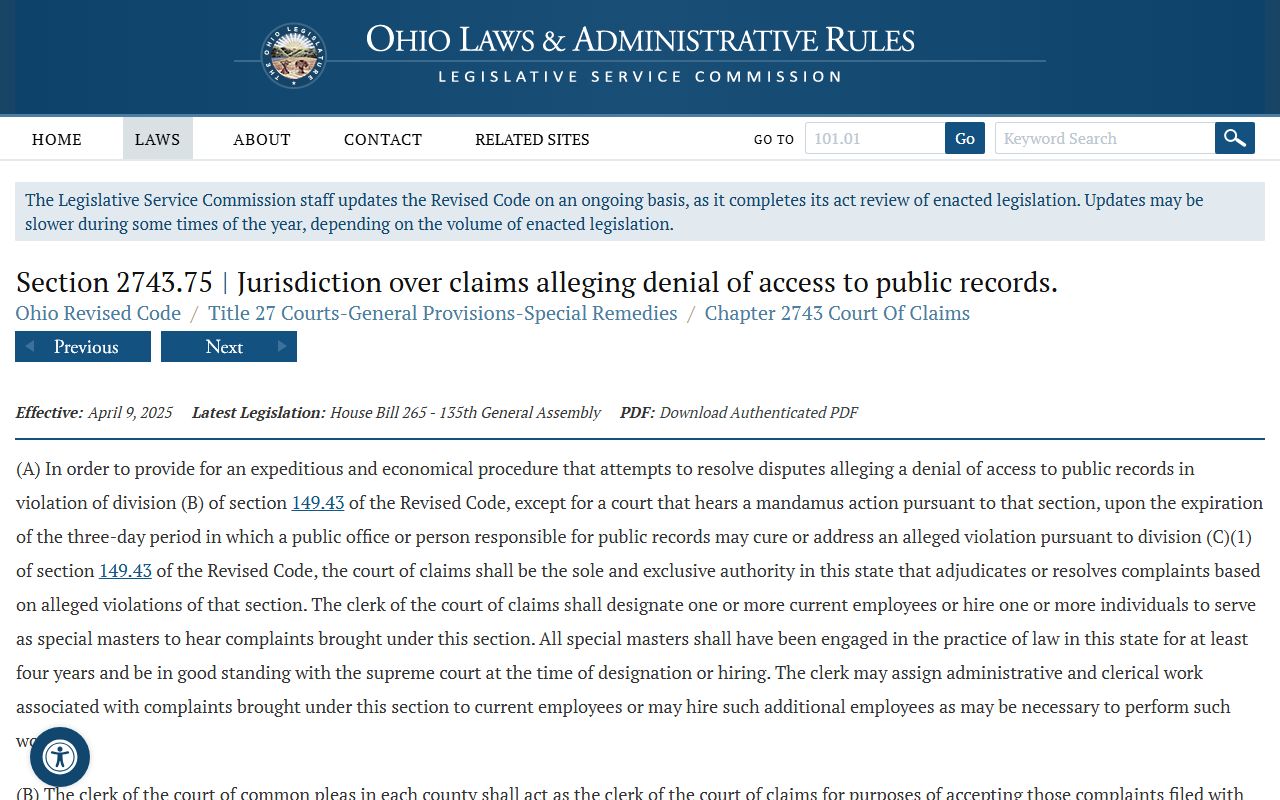
This is the statute that sets up the Court of Claims process for public records complaints. It gives you a low cost way to enforce your right to access.
Browse Ohio White Pages by County
Pick a county below to find local white pages resources, court contacts, and public record search tools for that area.
Ohio White Pages for Major Cities
Ohio cities file records through their county offices. Pick a city below to see which county handles records for that area and how to search.